













Empowering Development: A Warm Welcome to Leaders and Experts from the China Veterinary Medical Association and Hebei College of Traditional Chinese Veterinary Medicine for Their Visit and Guidance
Release Time : 2026-09-04
Author : Hebei Jinfeng Animal Pharmaceutical Co., Ltd.

Scan to share on WeChat
In WeChat, tap 'Discover' and scan
Scan the QR code to share to Moments.

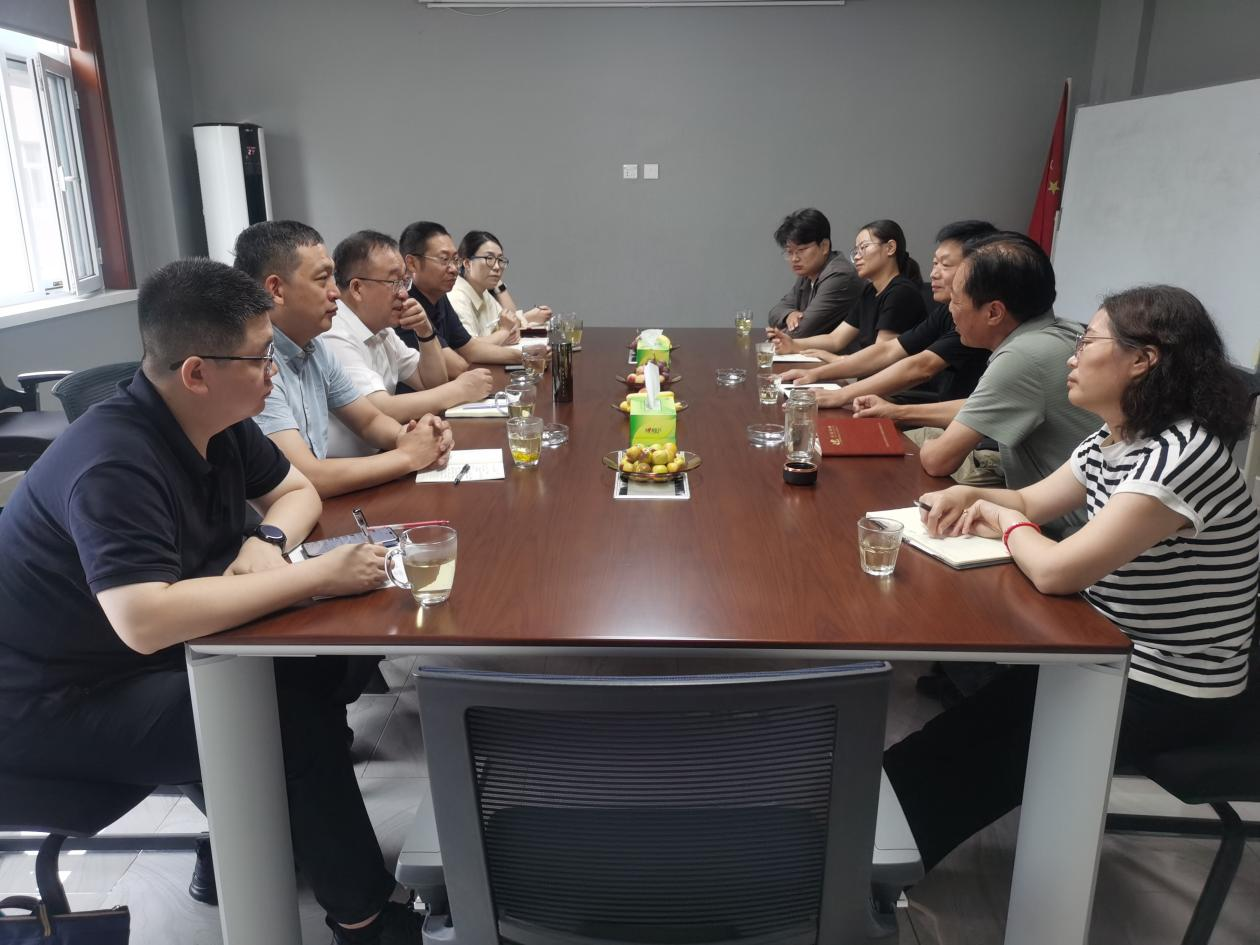
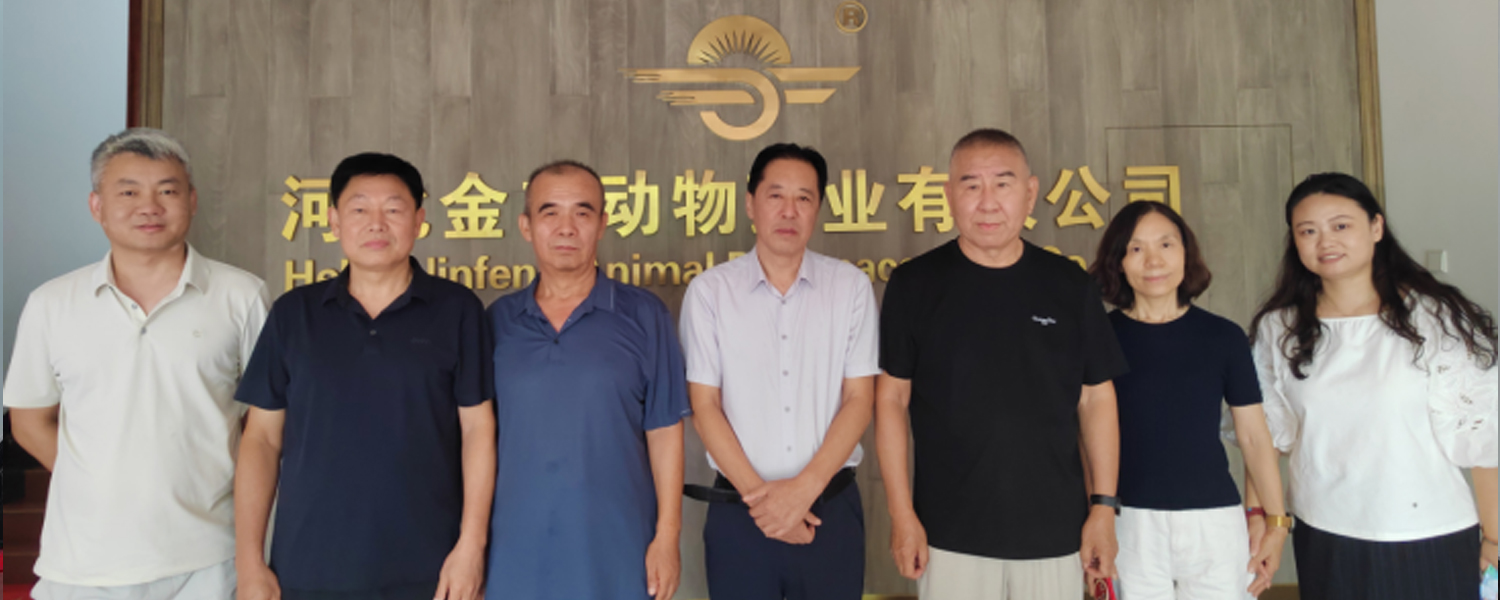
On August 28, 2026, a delegation of experts and leaders—including Professor Shi Wanyu (President of the Traditional Chinese Veterinary Medicine Branch of the China Veterinary Medical Association, expert on traditional Chinese veterinary medicines for the Hebei Modern Agricultural Industry Technology System’s TCM industry innovation team, and faculty member at the College of Traditional Chinese Veterinary Medicine, Hebei Agricultural University) and Professor Zhao Xinghua (Vice Dean of the College of Traditional Chinese Veterinary Medicine)—visited our company to conduct an on-site inspection and offer guidance, providing insights for the high-quality development of the traditional Chinese veterinary medicine industry. They were accompanied throughout the visit by Pu Songtao, Chairman of Hebei Jinfeng Animal Pharmaceutical Co., Ltd., and Gong Zhenqiu, General Manager, among others.
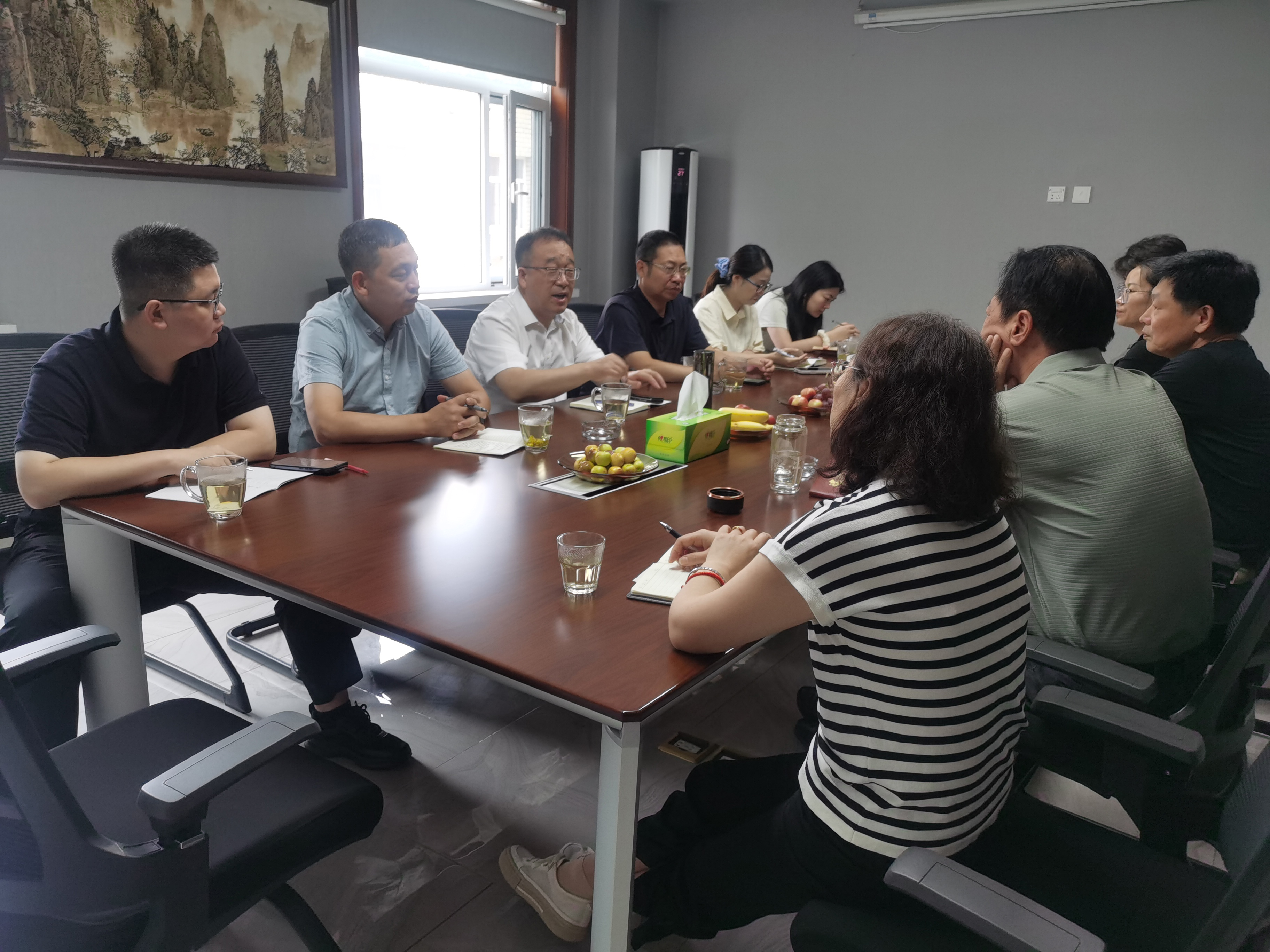
During the symposium, the two parties engaged in in-depth discussions regarding key challenges in the production of Traditional Chinese Veterinary Medicines (TCVM), the practical application of technologies, and the integration of industry, academia, and research.
Experts highlighted three common pain points in the current TCVM industry: low extraction yields from medicinal materials, poor solubility of active ingredients, and insufficient transformation of classic formulas into modern dosage forms. The team introduced cutting-edge technologies, such as continuous steam explosion and co-crystal inclusion. Experimental validation demonstrated that these technologies can substantially increase the release rate of active ingredients, significantly enhance therapeutic efficacy, and reduce raw material waste. Additionally, they minimize the generation of medicinal residue, offering enterprises a new approach to reducing costs and improving efficiency.
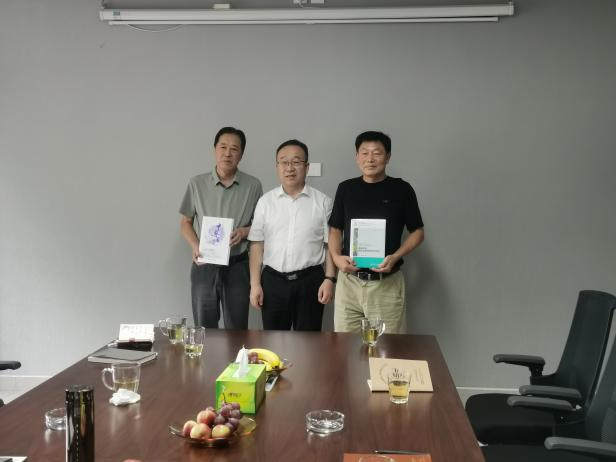
Furthermore, addressing practical challenges faced by enterprises, the two parties discussed methods for treating solid waste such as traditional Chinese medicine (TCM) residues and livestock manure. The discussion also covered topics including market competition, the export of technology, industry academic conferences, new product R&D, collaborative patent development, and the practical implementation of research outcomes.
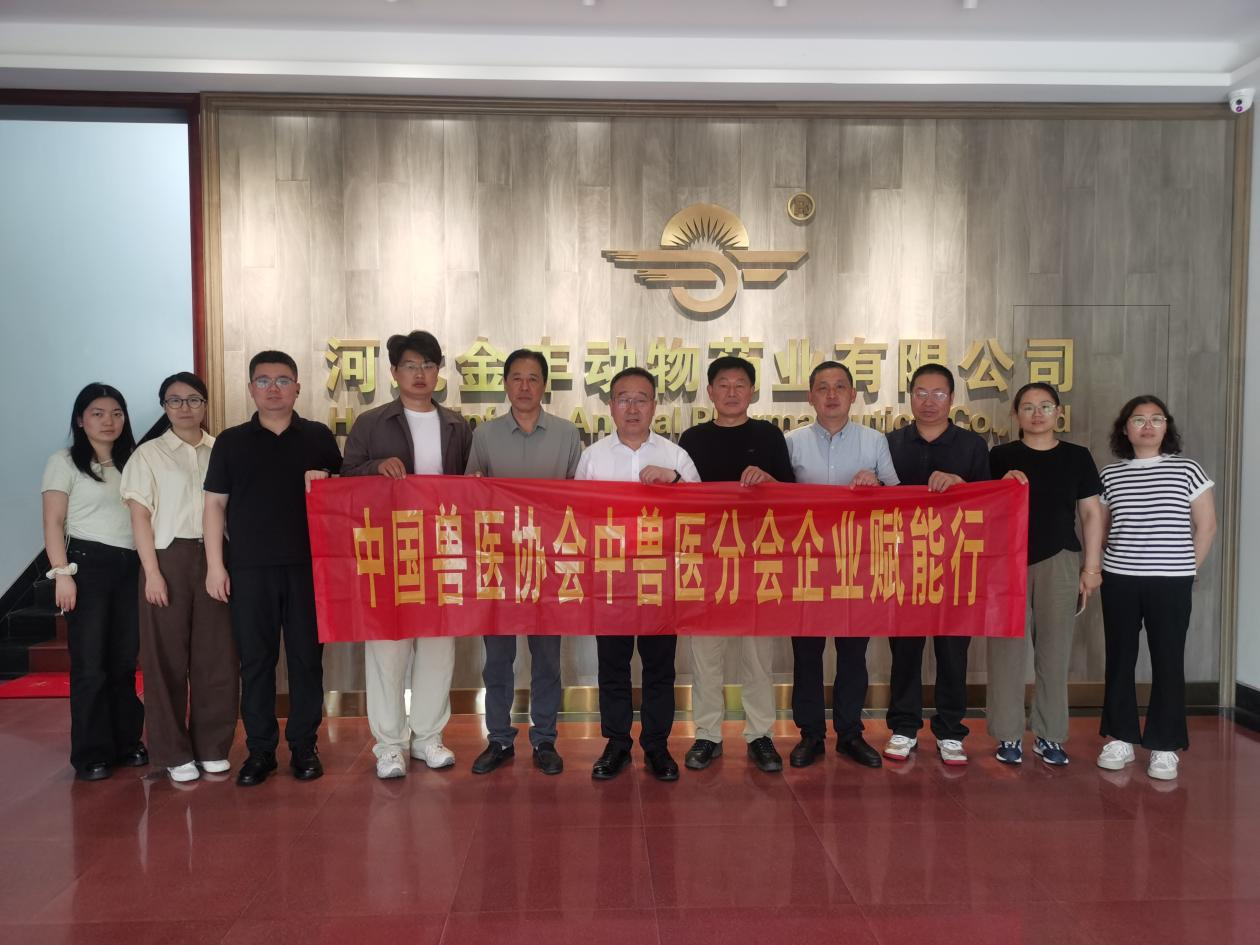
This exchange established a bridge for communication between the university and the enterprise, effectively breaking down barriers between scientific research and production, and injecting strong momentum into the enterprise's technological upgrading and innovative development. It laid a solid foundation for future technical collaboration and the transformation of research findings into practical applications.


Related News

contact us
contact us